


Choosing a complete control cabinet manufacturer is more complex than comparing catalogs and prices. Different industries – water treatment, material handling, mining, packaging, power distribution – impose different electrical, environmental, and operational demands. A manufacturer who serves only one sector may struggle to adapt. Here are the core dimensions to evaluate when selecting a partner for multi-industry control cabinet projects.
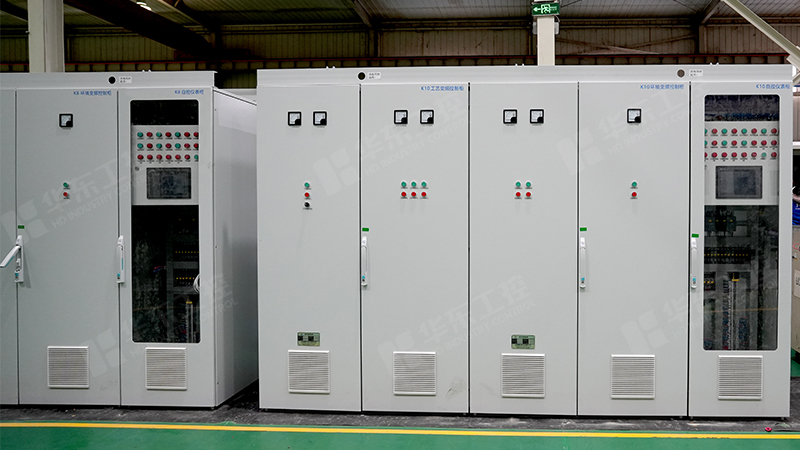
1.Engineering Depth Across Multiple Applications
A capable manufacturer must understand how control cabinets behave in different processes. Motor starting methods, load profiles, communication architectures, and safety requirements vary by industry. Ask whether the manufacturer has in-house engineers who can review your schematics, propose layouts, and adapt designs across sectors. Experience with PLCs, drives, soft starters, and power distribution – not just one technology – is a strong indicator of engineering breadth.
2.Customization Capability, Not Just Standard Products
Multi-industry projects rarely fit standard cabinet designs. The manufacturer should offer flexible enclosure sizes, component brand integration, IP ratings from clean-room to outdoor, and cooling options from forced ventilation to air conditioning. Check whether they provide 3D layout drawings, allow your preferred component brands, and accommodate special cable entry or mounting requirements. A manufacturer who pushes only standard catalog items will limit your project flexibility.
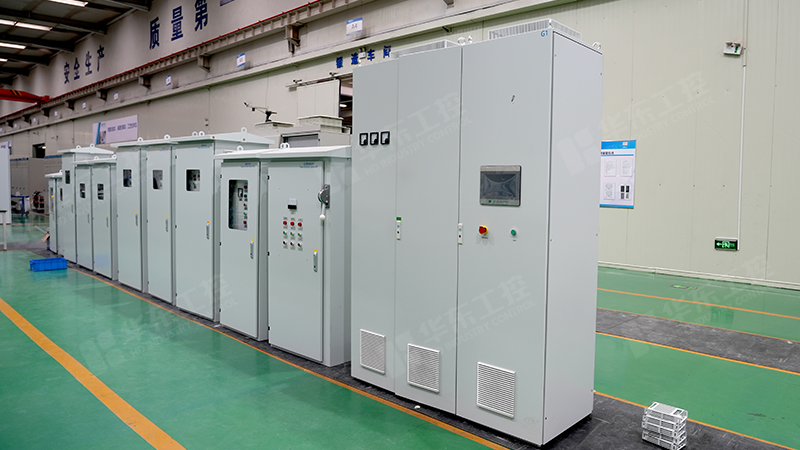
3.Quality System and Factory Testing
Consistency matters more than a single good sample. Look for a documented quality system – incoming component inspection, in-process checks, and final testing for insulation, dielectric strength, continuity, and functional operation. Factory acceptance testing should be available, with remote or on-site witnessing. This ensures every cabinet in a batch meets the same standard, regardless of industry application.
4.Certification and Documentation for Global Projects
If you serve international markets, the manufacturer must build to relevant standards: IEC 61439, CE, UL, or industry-specific requirements. Full English documentation – wiring diagrams, component lists, test reports, and manuals – should be standard, not an extra request. Without proper documentation, even a well-built cabinet creates problems during commissioning, inspection, and handover.
5.Supply Chain, Lead Time, and After-Sales Support
Multi-industry projects often run on tight schedules. Confirm the manufacturer’s lead times, component sourcing reliability, and export packaging capability. After delivery, responsive technical support and spare parts availability matter for long-term operation. A manufacturer with global experience understands shipping, customs, and remote troubleshooting – reducing your project risk.
Huadong Industry Control builds complete control cabinets for clients across multiple industries and more than 30 countries. By combining engineering depth, customization, quality control, compliance, and responsive support, we help you select a cabinet that fits your application – not just your budget.


