


PLC control cabinets are the central nervous system of modern automation. They house the programmable logic controller and its supporting components, turning electrical signals into coordinated machine action. In industrial applications, their value comes down to four core roles.
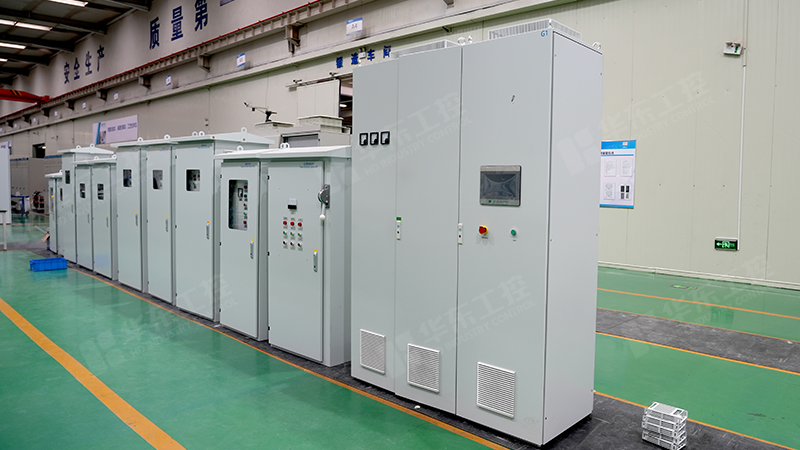
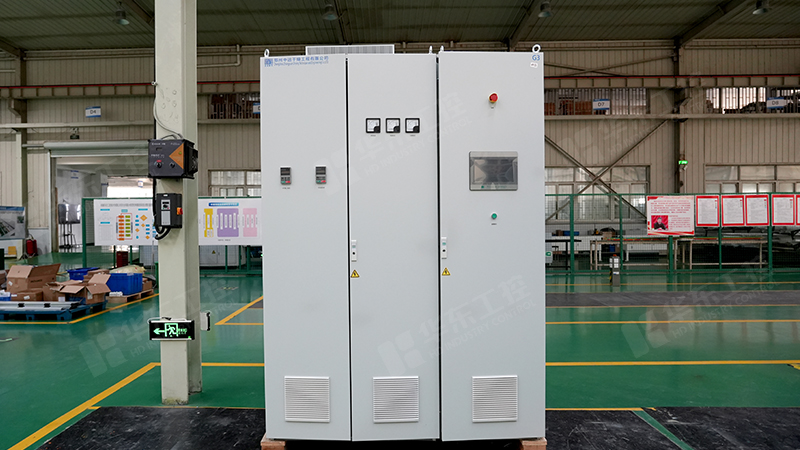
1. Logic Control – Executing the Automation Sequence
The primary role is control. The PLC reads inputs from sensors, switches, and encoders, then executes programmed logic to operate motors, valves, drives, and actuators. It manages start/stop sequences, interlocks, timing, and positioning. A well-designed cabinet ensures clean signal routing and stable power, so the PLC can run its logic reliably, cycle after cycle.
2. Equipment Protection – Preventing Damage and Unsafe Conditions
Automation systems face overloads, short circuits, phase loss, and unexpected faults. The PLC control cabinet provides coordinated protection through breakers, relays, surge devices, and safety circuits. These devices isolate faults quickly, protecting motors, drives, and wiring. Safety relays and emergency stop circuits also safeguard personnel. Protection is not an add-on; it is built into the cabinet architecture.
3. Monitoring and Diagnostics – Visibility That Reduces Downtime
A modern PLC cabinet does more than control. It monitors current, voltage, temperature, and equipment status. Data is displayed locally or sent to SCADA for real-time visibility. When a fault occurs, diagnostic information helps maintenance teams locate the cause quickly. Historical trends also support preventive maintenance, so problems are addressed before they stop production.
4. Communication and Integration – Connecting the Plant Floor
PLCs rarely work alone. They exchange data with HMIs, drives, robots, and plant-level systems. The cabinet provides the communication interfaces – Modbus, Profibus, Ethernet/IP, or others – that integrate the machine into the wider automation network. This connectivity enables remote monitoring, production tracking, and centralized control, making the cabinet a true gateway between the machine and the plant.
Huadong Industry Control builds PLC control cabinets around these four roles, delivering customized, factory-tested solutions for industrial automation projects worldwide.


